When the meteor hit, a duck-billed edmontosaurus herd had just started crossing the cool velvet of a pond. Toes sinking into the slippery silt, they watched the water bugs, monstrous and many-limbed, flee from the currents they had created. Though their wide mouths suggested filter feeding in water, they much preferred to browse vegetation on land. But the pond was small, shallow, and well worth the wet feet if it meant a fresh selection to graze upon. A large female chewed her cud and hoped vaguely that there would be fresh, sweet plant shoots on the other side, just right for eating. That cud, smelling of earthy rot, would turn to stone in her stomach, that energy lost forever. We know this because we saw it. We found it.
A group of fledgling acheroraptors had just found a stick shaped like a spoon, and were delighting in chasing each other around a small valley, lithe feet dancing over rock and tree trunks. When the strongest sibling got hold of the stick he bit down hard, teeth sinking into fibers that tasted of pine, leaving a row of indentations like a hole punch. We know this because we have touched their teeth, measured the spaces in between, could easily distinguish their bite from that of any living predator.
Their feathers rustled in the quickening breeze and, later, curled into soot and blew away in the wind. Briefly, for a split second that would have been beautiful for anyone watching, a feather would ignite against a smooth tree trunk, leaving a relief as perfect as if painted from the darkest ink (this before the tree’s moisture turned to steam and it exploded.)
A tyrannosaurus slept, having just gorged herself on the ample body of a young triceratops that had strayed just a bit too far from the caravan. On her face, scars from so many hunts, dried swatches of blood and tendon, the yellow smear of pollen. Her children, once the most vulnerable of those who roamed, now running far and wide, practicing war bellows and eating everything they could fit in their mouths. As the wave of destruction rocketed toward them, one lifted its head, curious.
A flock of pterodactyls flitted by, heads bobbing as they headed to fishing grounds to pluck lunch from the water. The breeze was cool and mellow, warm air lifting their great wings in unison as a sudden hot gust splattered by, as though the winds were changing.
For the last time the sound of enormous dragonfly wings was persistent, and everywhere a weightless mist drifted along the ground, shrouding everything in silver. The humidity was oppressive, ferns dripped moisture in a symphony, and you and I were just atoms. We were spread not just where the raptors and rexes roamed, but everywhere, in every forgotten corner of the universe and dark tunnel of the galaxies, spread as far as the universe itself, waiting for our turn to be brought to wholeness for a small time.
So unfair, to be gifted a brush with wholeness and spend it fretting. Admit it, you wonder how to forget this knowledge, that one day your turn will be up just as it was for the Tyrannosaurus. How to forget this and enjoy your turn when it no time at all you will be staring down a meteor of your own, just as you were settling down into something like happiness. Often these thoughts slip through easiest during time alone in an empty house or facing mundane paperwork.
When it becomes too much, when you feel the wave must be coming and it was all for nothing, you wasted every moment and you must relinquish your wholeness—go outside. Lace up your shoes and go stomping off down the road, uncomfortably quick for your tastes. You’ll find that as you fight to keep your breath and keep a frantic pace, you’ll start to notice things.
Squirrels quarrelling in a tree, claws raking the bark. A woodpecker passing overhead in that strange, jilted pattern of flapping particular to woodpeckers. Wind passing leaves back and forth and the distant scent of stagnant water somewhere. Children laughing further up the road, their bicycle wheels screaming a rusty melody.
Have you ever noticed the way your feet drag just a little when you walk? Of how your lips part just a little without your knowing to let more air in as you pant. Was that tree always there, leaning so precariously? And were all these people here the whole time? The women frantically pumping their legs with their children at school, the old men walking tiny dogs, the kids whipping by on bicycles? There’s much to say about living in the moment, but the dinosaurs didn’t sit there and muse on it, wrestle against their own minds and try at the same time to live their lives.
No, they were standing in line just like the rest of us, and when their turn came up they simple strode into the light as if to say “about time.”
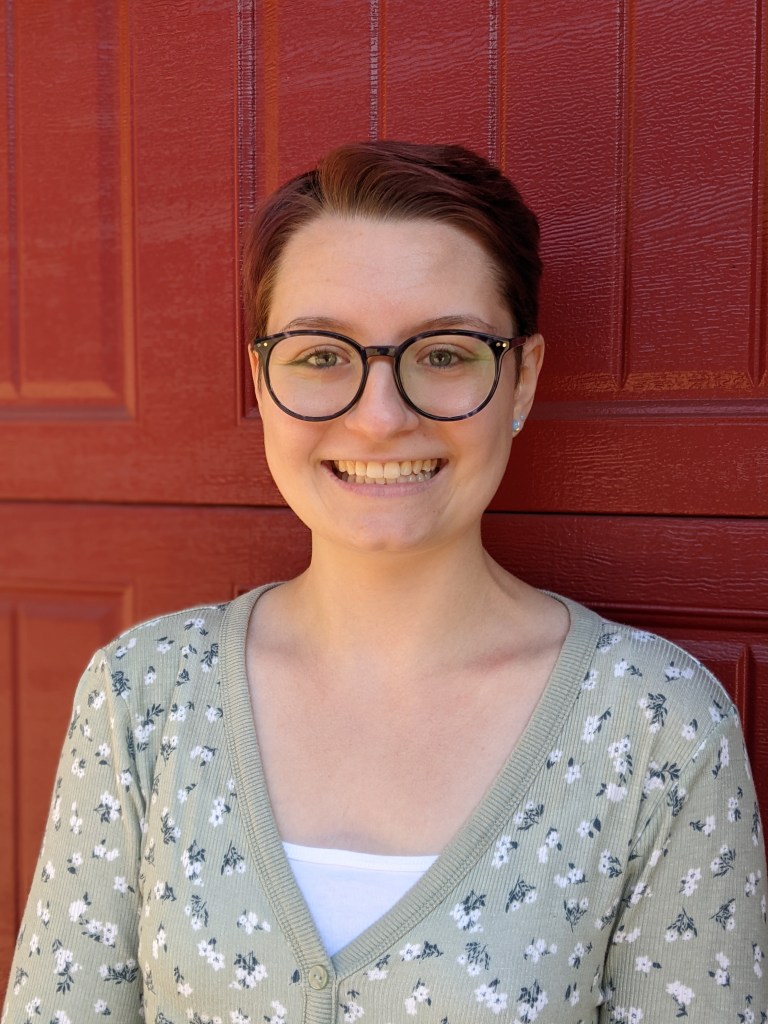
Anna Molenaar is a writer of poetry and prose concerned with nature, humanity, and the messes that occur when the two mix. Her work appears or will appear in the After Happy Hour Review, Common Ground Review, Smoky Blue Literary and Arts Magazine, and Imposter: A Poetry Journal. She lives in St. Paul, Minnesota where she received her MFA from Hamline University. She works as a preschool teacher and teaches writing courses at the Loft Literary Center.

 Change Seven Magazine