After several glasses of wine, Roberta Flack singing “The First Time Ever I Saw Your Face” in the background, Sylvia and I sat on the couch of her red apartment. Red walls, red carpets, dim lights.
I put my arm around her, turned her face to mine and gave her a deep kiss. We talked about movies, our favorite breakfasts, the way the soft light in the room moved on shoulders when we acted out favorite lines from Flack’s lyrics. Sylvia’s hair felt good in my hand. Her hand dug into my knee. I felt strong.
“What do we do now?” she laughed. “I’ve never done this with a woman.”
“Me neither,” I said.
We smiled at each other. “No one can see us,” she said.
I could see the lights through the windows behind her glistening in the elegant old houses in Shadyside that had been made into student apartments.
I pushed her down on the couch and gently dry humped her. “What are you doing?” she asked.
I looked at her, “I don’t know, that’s how my husband does it.” We laughed.
I wondered if that’s what I felt like to my husband and why he liked it.
I undressed her in the bedroom. I thought about my children and my little girlfriend I kissed and laid on top of.
“You’re better than any man I’ve been with,” Sylvia whispered. “Better than the married man I’m dating.”
I wondered if she’d had more men than I had, but didn’t want to know, because the room, the sweat, felt perfect.
* * *
Sylvia bounced into the Chancellor’s Board Room at the University of Maryland where the Chancellor’s Advisory Committee on the Status of Women was meeting. Twenty-three women sat around the long Board table.
Sylvia, round faced and sallow with straight dark hair, a bright red sweater over her full breasts, announced in a husky voice, “I am from the Governor’s Commission on Human Rights.” She’d invited herself.
I was the lone graduate student representative on the Committee and the only married woman and mother. I spoke my mind. But I felt undercurrents of tension among the faculty, staff, and student representatives.
“Let’s have Gloria Steinem come and speak,” Mildred, the Director of Student Affairs, said. Her luxurious golden blond mane clashed with her pushy style.
“Gloria Steinem won’t come. Let’s invite Kate Millett. Her book Sexual Politics just came out,” I said.
“Good idea,” the students chimed in.
Mildred glared.
Sydney, an energetic but unadorned English professor, said “Good idea.” Jane, another English prof, looked glum. Florence, a distracted philosophy professor, looked inward.
Sylvia quickly figured out the politics.
“Sydney just dumped Jane for Florence,” she said. “And you are the head of the ‘Dorin Faction’ and all the students are looking to you for leadership. Mildred is trying to have her own faction.”
“I’d rather listen to a live duck being plucked than have a faction,” I said.
“Yeah, but the students love you and they follow you. Watch out for Mildred. She’ll knife you in the back. She’s in this for glory.”
The Committee members selected five items for an action agenda: a Women’s Studies program, Day Care, Pay Equity, Recruitment of Female Faculty, and Community Outreach. A task force for each was established. Mildred chose herself to be in charge of Recruitment of Female Faculty to grab a big academic title for her resume that only had student affairs positions.
Sydney chose the Women’s Studies Program. I didn’t choose.
* * *
Sylvia said, “I want to marry you.”
I said, “Let’s form a corporation.”
“Where is the Love,” Roberta sang. I embraced Sylvia’s energy, loyalty, erotic passion, but I thought about my children.
We hired an attorney to draw up papers.
We went to New York City for a week to raise funds for the company. When I got home, my husband proposed a threesome. I wanted him to be happy, but I was so consumed with desire for Sylvia that I couldn’t stand to have sex with him.
I told her, “If my marriage breaks up, I will never see you again.”
I got home and opened the closet to hang up my jacket. My husband’s clothes were missing. I ran upstairs and looked in the dresser drawers. He was gone.
I stopped answering Sylvia’s calls.
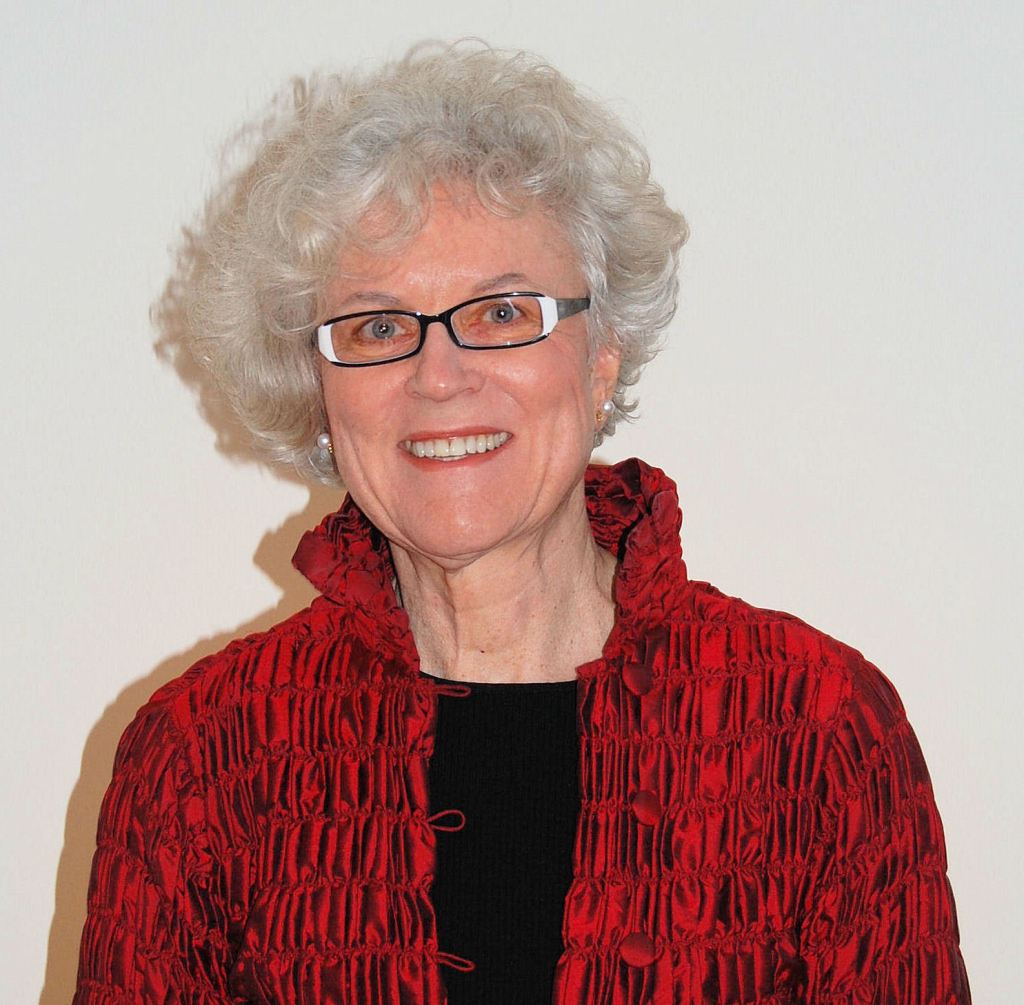
Dorin Schumacher’s books include Vanity Fair with Helen Gardner as Becky Sharp, 1911 (ATM, 2020), Gatsby’s Child: Coming of Age in East Egg (C&R Press, 2018), and Get Funded: A Practical Guide for Scholars Seeking Research Support from Business (Sage, 1992). She has many works in literary journals and anthologies, including [PANK], The Brooklyn Rail, Fjords Review, Quiet Lunch, and Roanoke Review. Read more about the author at BeaconTowers.com.

 Change Seven Magazine