This old man came down California Street with two big donkeys at ten-thirty in the morning and Hector and I suddenly remembered everything. Good and bad, up, down, and in between.
“What have I been trying to tell you?” Hector said.
He was an old white man with a deep tan that couldn’t have been acquired in San Francisco because it was July so it was as foggy as London in December.
“Listen,” I said, “He crossed the bridge with those two.”
Hector nodded solemnly.
We were in Martha’s on Divisadero. The off-duty cop who came in to read science fiction yawned and stepped outside. I respected his yawn, whether or not I respected some other aspects of him.
Three jackasses, the sign on the back of one of the animals read.
“Where’s the third?” the cop said.
“Me,” the old man said. “I’m the third. You’re looking at three jackasses.”
“Shut up,” Hector said.
“I didn’t say anything,” I said.
“Don’t say a word.”
“But–“
“Don’t go asking him what he did to give everything up and walk the streets with these two other jackasses.”
Martha and her brothers came outside to look at them. They were fine animals. Hector spoke in Spanish and told them the old man was the third of the jackasses. One brother was humbled and went inside, another laughed, and the third just petted the animals.
The cop was amused, but mostly he wanted to get back to his book.
“Don’t be so hard on yourself,” he said.
“Hard on myself?” the old man said.
“Sure. Take it easy.”
“You think these two don’t know I’m their brother?”
Hector was beginning to think of lost love.
“Don’t go following him down the street, even well-intentionedly.”
Martha said, “What’s the crime?”
“You can control these two?” the cop asked the old man.
“As long as I tell them the truth.”
“They won’t get spooked?”
“Can’t get spooked any worse than we have been.”
Hector began to cry.
“Don’t go pleading with him to tell you, however well-intentionedly. Don’t go saying something to him like, look, I’m a man with my own regrets, bigger than some, smaller than others. They are mine. I know them. I respect the effort to make them as real and tangible as two jackasses. To present them to the world with such boldness. Don’t say to him–does it help? Does it help to feel the weight of regret in each step?”
“All right,” I said.
The cop took on a philosophical air about the whole thing that would’ve looked worldly if I hadn’t seen what he was reading. I felt generous though, so I gave it to him anyway.
“What do they eat?” Martha said.
“What have you got?”
She went inside to get some carrots, in the same way she’d left Guadalajara in her youth and started her place up here.
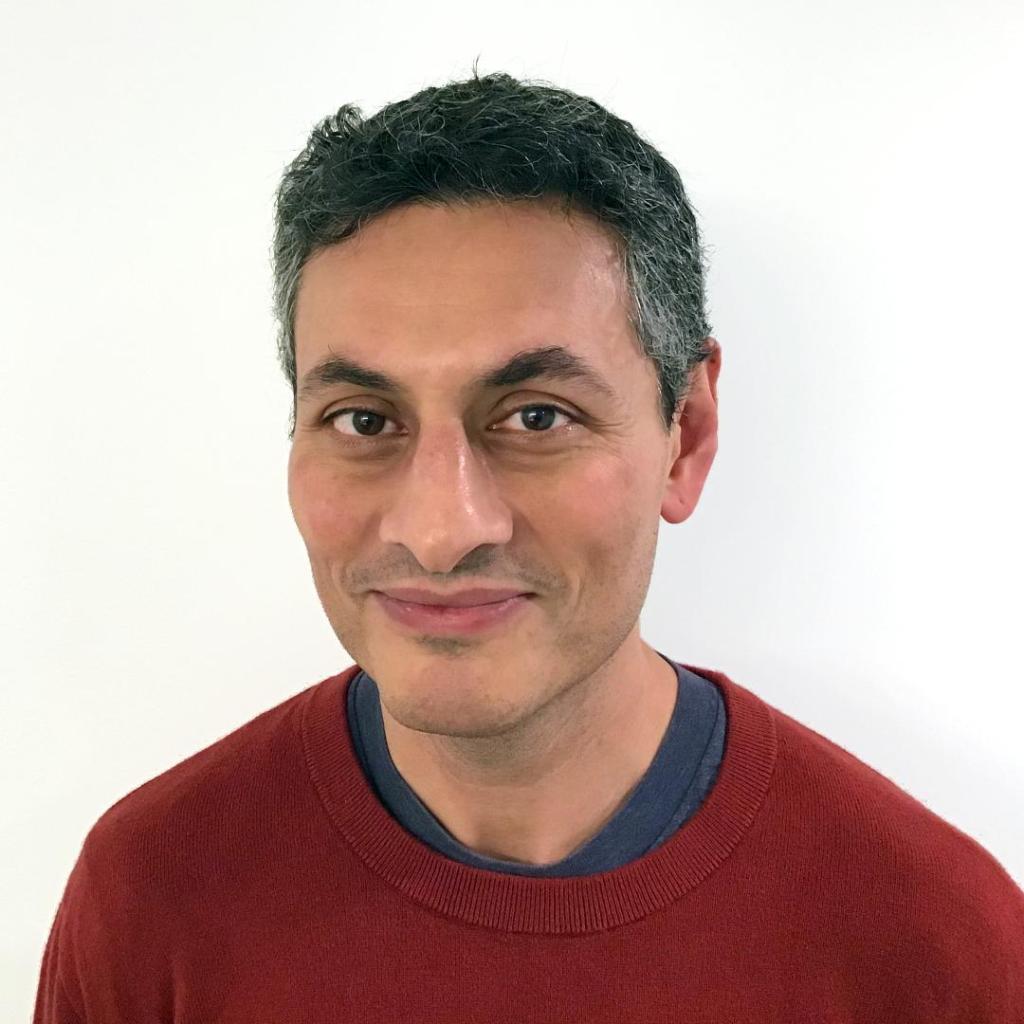
Siamak Vossoughi is an Iranian-American writer living in Seattle. He has had stories published in Kenyon Review, Missouri Review, Idaho Review, Bennington Review, Gulf Coast, and The Rumpus. His first collection, Better Than War, received a 2014 Flannery O’Connor Award for Short Fiction and his second collection, A Sense of the Whole, received the 2019 Orison Fiction Prize.

 Change Seven Magazine