The city really does sleep, for perhaps two or three hours in the darkest, coldest part of the night. I knew better than to try, given that I can’t sleep on airplanes even when I’ve been drugged with an antihistamine. Instead, I coaxed myself up from my portable camping chair on the sidewalk of W 49th Street for a walk around the block, brain instructing rebelling body that expending energy would generate at least a little warmth.
My dad and I had joined the standby line for tickets to the Saturday Night Live studio audience around 7 am on Friday, February 7, 2020. By 4 am on Saturday, limbs aching from prolonged shivering and physically incapable of even trying to hold up a book for distraction, I still felt relief. I wasn’t at work.
When I went back to school for clinical social work on the cusp of age 30, I didn’t act out of altruism or passion or even intellectual curiosity. Seven years working in public health research had burned through the enthusiasm I’d first felt when investigating a fictitious outbreak of foodborne illness in an introductory epidemiology class. I never got to investigate a real outbreak. Instead I spent my days updating the status of various datasets and manuscripts in spreadsheets, taking meeting minutes, and drafting reports that would end up buried online where only the most dogged academic would find them. Lacking the credentials for medical school, I figured practicing psychotherapy was close enough, and I set out to start over professionally, in a consolation career that could never be my first choice.
In Fall 2019, I passed the licensing exam and began seeing psychotherapy clients on Saturdays at a community mental health center while still working full-time in research and program evaluation. Entry-level clinical social work jobs are not the most lucrative, so staying on at my current job was a forced choice.
That first day, I saw just one client, a pleasant middle aged woman. I’ll never know whether she sensed my anxiety or not. In any case, we made it through the 45 minutes, and she agreed to meet with me again the following week. A successful first session, by all accounts.
After she left, I fumbled to try to enter a progress note into the unfamiliar electronic medical record system. Suddenly, the waistband of my slacks seemed to tighten and the office’s air turned stale. A vaguely queasy feeling compelled me leave before finishing the note. I didn’t realize I was having a panic attack until I was in the car driving away and couldn’t catch my breath. You can live through so many panic attacks and still not recognize one until your lizard brain is practically slapping you in the face, screaming at you, “Fight or flight, dummy! There’s a threat!” Each is like a snowflake; no two are the same. Shame stepped in as the panic wore off. As a specialist in exposure therapy for anxiety disorders, I was supposed to be treating people for panic attacks, not experiencing them at work.
I was no longer an intern. Now, there was no supervisor sitting down the hall for me to consult if my client was in crisis. Every word that I said to a client was potential fodder for a complaint to the licensing board. Most significant of all, my clients were trusting me to be a helpful presence as they worked out their problems. In the past, I had seen many therapists who, despite their best efforts, were decidedly unhelpful. I didn’t want to be one of them.
At home in the evening after that first day, I watched sketch after sketch from SNL on YouTube. I binged the show to numb me, to block out the doubts that I wasn’t qualified for either of my careers – the one that had burned me out and the new one for which I felt unqualified. YouTube had suggested an SNL sketch to me after a particularly difficult day during my clinical internship the previous academic year, and at the time I was too overwhelmed to question its wisdom. I watched cast member Cecily Strong join host Steve Carell in singing and dancing to a “Thanksgiving rock song” and envied the comfort with which Cecily settled into the ludicrous. Eventually, I would learn to project a similar confidence when pretending to vomit into a trash can in front of a client with emetophobia or when voicing stuffed animals as different characters for a socially anxious child to practice introducing herself to. Though at the time I watched the sketch, that confidence was very much a projection; it ran shallow.
Cecily Strong ended her 11-year run in December 2022 as a favorite of many an SNL fan, widely praised for her comedic acting chops and range of characters. She was my favorite cast member for a different reason. I once listened to an interview she gave for Improv Nerd podcast in which she disclosed her struggles with depression and anxiety. “I have a full anxiety attack every Sunday that I can’t help,” she admitted, referring to the come-down after the high of the show and facing the myriad reviews that are published online.
Hearing Cecily describe her journey to SNL in interviews, I couldn’t decide who had it worse. Me, trying to show just enough interest in my current work to avoid being fired while simultaneously thrust into a totally different profession and expected to perform; or her, stuck on a cruise ship for four months as the entertainment and working the box office for the same comedy theater in which she also faced audiences of various receptiveness as a performer.
More days than not, my clients came in with unexpected catastrophes, aversions, and moods. In an instant, my plan for the session became null and made me an improviser, without the benefit of the seven levels of training at the local improv theater school.
I knew to expect my confidence to grow over time, as with anything new, though I wasn’t sure I was up for waiting 10 years to feel qualified for the job, the number that more than one seasoned therapist had quoted me. In the first few months, I continued to have moments of anxiety in session with my clients – the first time I did an intake assessment with an adolescent, I chewed an ulcer into my cheek – but never again the full-fledged panic attack of the first day. Most of them chose to return to see me week after week, yet my confidence failed to grow in step. Instead, I honed a different skill set – appearing competent without believing it myself. The dissonance between my performer persona with the clients and my anxious paralysis at home at night ultimately led to depression in January 2020. I spent hours each week sitting in front of my laptop trying to work yet turning to social media, endlessly scrolling in search of something that I couldn’t identify or ever find.
On one of these doomscrolling journeys, I came across a post on Cecily’s Instagram describing the ways in which her work lifted her up during a difficult personal time.
“…I’m glad for this past Saturday and the whole week really – working with a host who I think is such a freaking dream human and a cast and crew of people I can sincerely say I love…”
In my work, it was just me and the client in the room. There was no cast or crew. Sometimes I wished that SNL’s Wally “the Cue Card Guy” could hold up a card with words for me to borrow when I didn’t know how to respond to a client, but he wasn’t there. No colleagues were waiting to hug me good night and congratulate me on making it through the show as I finished the work day.
I knew that Cecily had those supports because her performance was higher-stakes than mine, broadcast live to a national audience. Her every word, gesture, and outfit would be picked apart by television critics the next day. Mine wouldn’t; only my clients knew my blunders. And still – maybe I could deliver a better performance with a crew to back me.
Depressive episodes come with a mental filter through which only a fraction of reality flows. With my depression filter on, I convinced myself that the only way for my performance to match Cecily’s was to get closer to it. Months earlier, I had satisfied my curiosity about the selection of the live SNL studio audience by going down a Googling rabbit hole of blog posts, Twitter, and online articles.
At 7 am on the morning of each SNL show, NBC pages distribute any tickets remaining – after the host, musical guest, cast, and crew have utilized their allotment – to the first in line outside the studios at 30 Rockefeller Center. You just have to get yourself to the sidewalk outside 30 Rock around the time that the line typically forms and wait.
Less than two weeks after reading Cecily’s post, I had convinced my dad to meet me in New York and drove my ten year old Toyota Corolla with the squeaky brakes from eastern Massachusetts to midtown Manhattan through the rain. On February 8, 2020, the show happened to fall on Cecily’s birthday. My anxious and depressed brain, in a feat of distorted magical thinking, surmised that watching her perform in the show on her birthday could only increase the chances of receiving the insight that would cure me. Though I didn’t admit it to myself or anyone else, I hoped for an extra-strong dose of the numbness that I got from the YouTube videos, enough to last until I no longer felt like an imposter at work. I wanted to be someone else, and I would have waited in any line for the chance.
We knew we had made it from the moment we arrived on W 48th Street in front of the Nintendo store – the starting place for the SNL standby line. There were less than 15 people ahead of us, and on average, the first 40 people are all but guaranteed a seat in the studio audience for either the dress rehearsal or live show. The realization was a needed boost amidst the miserably drizzly weather and our caffeine withdrawal.
The standby line is loosely overseen by NBC but largely self-policed. A fan can take short breaks to go to the bathroom or get food but out of politeness to others should limit time away from line to about an hour. Would-be line jumpers are pressured by the regulars to the back of the line, a scene I witnessed in the early morning hours during our time in line.
The standby line forced my focus from getting through the week without a catastrophic error at work to just getting through. Both pairs of my gloves were soaked from the rain within the first six-hour stretch, and my three layers of clothing were no match for the wind. During the day, the hours passed quickly – there was always another curious tourist to chat with or snack to venture out for. The ultimate highlight came just after dark on Friday evening, when they came around with the NBC-issued soup.
“It’s the same soup the cast and crew get!”
A standby line regular – yes, there are several SNL enthusiasts of various ages who sit in line every week a show is on – filled me in. I unfurled my fists from my sleeves, their refuge against the chill, to accept a cup of chicken noodle.
While spooning soup into my mouth, I gazed up at the SNL offices on the 17th floor of 30 Rock and imagined the flurry of last-minute writing and preparations. I pictured myself as one of the cast members, despite having no acting or comedy writing experience. With all these people waiting to see them, their work had a sense of importance, deservedly or not.
Following so many sessions with my clients, I felt like a nonessential extra in their life at best. At worst, I would question for hours whether something I had said was either insensitive or too much self-disclosure. The day I took the licensing exam, I sentenced myself to carrying the constant awareness that I had the power to hurt someone else.
An hour or so after the soup was served, another first-time standby line-er took a walk around the block and came back to pronounce, “I saw Cecily Strong!”
The standby line regulars’ skepticism came quick.
What was she wearing? Who was she with? Where exactly was it? No, WHERE exactly? Which direction was she walking? What type of coat? What do you mean, you don’t know whether she was wearing a coat or not?
The regulars finish their questioning of the witness and deliver their verdict. It couldn’t have been Cecily. The description coupled with the exact time of evening precluded the woman on the street from being her, though some debate would linger for another half-hour over the validity of the witness’s claim that she heard “Cecily’s lilt” in the woman’s voice.
Huddled under a waterproof blanket in my nearby camping chair, I was overcome with a surge of protectiveness towards Cecily. I thought of her description of her anxiety in that interview. If there were a hundred people like this lined up outside my office to have a therapy session with me, I would probably panic, run away, and change my identity.
At 11 pm, the wind seemed to sense that our warm refuge, the Rockefeller Center concourse, had closed for the evening and took its cue to increase by at least 10 mph. The experienced standby line regulars, some of whom performed this Friday night ritual through snowstorms, pulled sleeping bags over their heads and settled in to sleep through the night.
With the distractions of the line quieted, I passed the miserable hours until dawn sorting through my befuddled mind. I reminded myself of the reasons for my career change, and I considered the previous 18 hours’ observations on the phenomenon of celebrity.
Former SNL cast member Rachel Dratch wonders in her memoir Girl Walks into a Bar whether she should have taken one of the other career paths she’d considered – a therapist in the suburbs of Boston, just like me – rather than pursue comedy and acting. Rachel explains, “If I were a therapist, I wouldn’t be worried about how my chin looks on camera – or off, for that matter.”
You’d be worrying about a lot of other things, I wanted to tell her. But I took her point all the same. The public wasn’t watching me the way they were watching her.
It’s the same soup the cast and crew get.
7am on Saturday came at last, and we secured our standby tickets – #4 and #5 for the live show – and retreated to our hotel for warm showers and sleep.
We had invested 24 hours for just 90 minutes. The otherworldly euphoria of my first glimpse of the iconic SNL stage crashed as we were brusquely herded out of the studio when the show ended, with warnings not to take out our phones until we were outside. As we started the walk back to our hotel, my dad proclaimed that seeing SNL live was the best thing that had ever happened to him, aside from my birth. For me, the feeling after the show was anticlimactic. As I drove away from the city the next day, I felt the blinders of depression narrow my focus once again. I went back to work on Monday and couldn’t focus or prioritize. The sensation of overwhelm never relented, and I kept fantasizing about running away.
One month later, March 2020, everything changed. SNL went from joking about the novel coronavirus to shutting down production in a matter of a week. Lines appeared where there were no lines before – outside of grocery stores, hospitals, testing centers. Isolated with my cat in our tiny one-bedroom apartment and now seeing clients via telehealth, I signed myself up for an online improv comedy class to disprove my escapist fantasy that I could become a comedian. Some days, lonely and overwhelmed and screen fatigued, I didn’t want to click the link to join the class. Do it, I urged myself. I imagined there were days that my SNL favorites hadn’t wanted to go to improv class either, but I bet they went anyway. So, I logged on for class, faced the prospect of being vulnerable in front of strangers head-on, and always felt better afterward. Participating in comedy left me hopeful and fulfilled in a way that observing it through YouTube clips, and even in Studio 8H itself, fell short.
Sometimes I still zone out with a funny YouTube video at the end of the hard day, and that’s okay. Though now, when the urge to reach for an escape hits, I remind myself that 24 hours in the SNL standby line gave me an anecdote to tell my friends but never had the power to cure my imposter syndrome. The real cures were ongoing practices. I began to talk to my colleagues at work about burnout and experienced a sense of connection around shared experiences. Just like I learned from Cecily’s interview, talking about mental health, no matter the reach of the platform, makes it less daunting. I also began logging all the successes.
What I’m still working on? Accepting that recognition for our work comes in many ways, not all of which are visible.
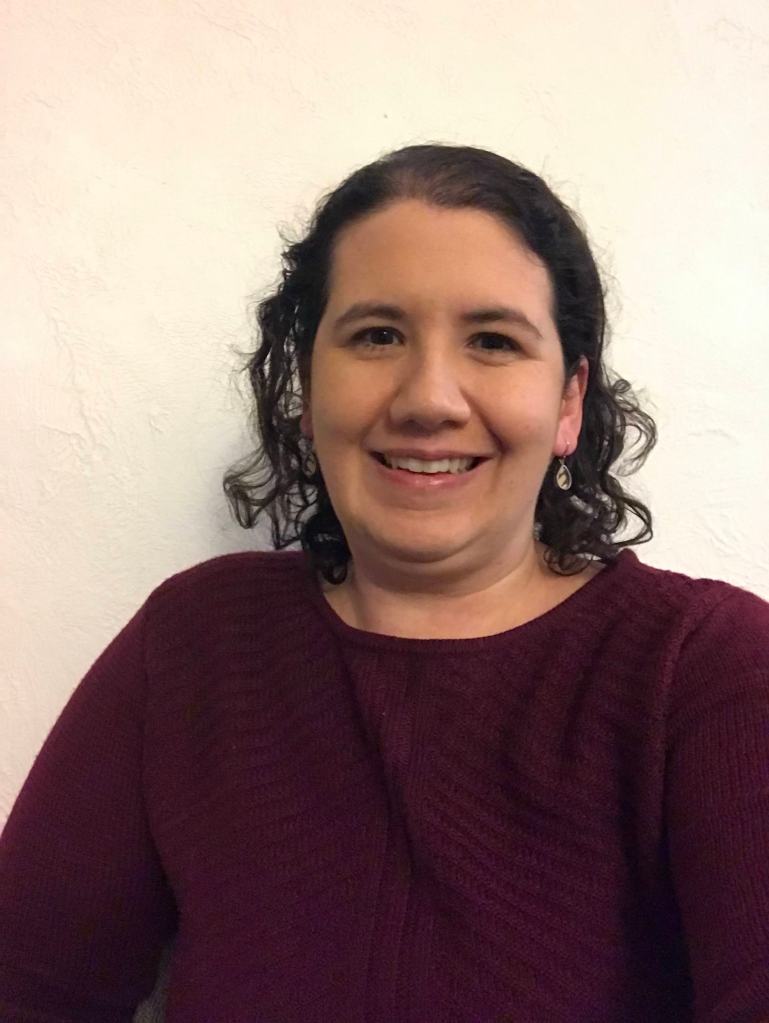
Brandy E. Wyant is a clinical social worker and writer based in Massachusetts. Her personal essays have appeared in Solstice, HuffPost Personal, Pollen Magazine, and Atlantic Northeast. Find her on Instagram: @bewyant

 Change Seven Magazine